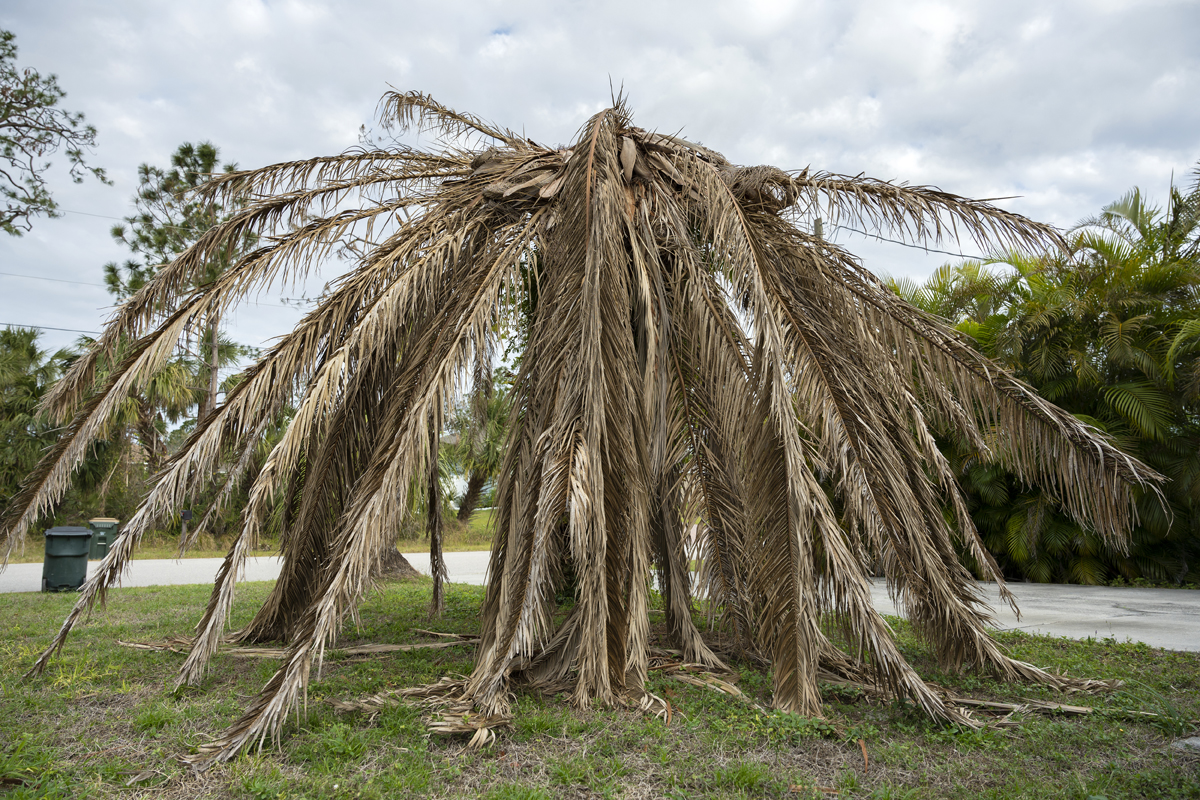
How To Save A Dying Palm Tree
Homeowners should be aware of numerous indicators that may suggest their palm tree is experiencing decline or has ceased to live. Should any of these indicators become apparent, fortunately, several methods exist to restore a palm tree to health. Please consult our comprehensive guide provided below.
Is My Palm Tree Dead Or Dying?
Several definitive indicators exist that demonstrate your palm tree is either in decline or has ultimately ceased to live, encompassing the following:
- The tree has become depleted of essential nutrients.
- Pests are persistently observed in the vicinity.
- Palm fronds exhibit wilting or discoloration.
The initial observable symptom of a declining palm tree that homeowners should monitor for is the yellowing or drooping of leaves. This particular condition actually originates from the composition of the palm’s soil.
Tree care professionals recommend conducting a thorough examination of the soil to verify that no critical nutrients are absent. Appropriate fertilization and moisture management must be regularly assessed, as excessive or insufficient fertilizer application can prove detrimental to the tree’s health.
It is advisable to avoid removing any discolored fronds, as doing so may inhibit the development of emerging foliage. Commonly, insects such as palm aphids, caterpillars, spider mites, and mealy bugs present the greatest threat to palm trees. Conducting routine evaluations of the palm and its surrounding environment can facilitate the prevention of pest-related damage. Deficiencies in potassium, manganese, and magnesium have the potential to prove fatal to palm trees. The most effective preventative measure involves regular soil examination.
How To Save A Dying Palm Tree
These tips below can help revive your dying palm tree:
- Increase or decrease the palm’s sun exposure.
- Replace the nutrients.
- Water an appropriate amount.
- Apply a different fertilizer.
- Cut off fronds only when they are dead.
- Refrain from pruning during hurricane season.
If left in direct or overbearing sunlight for long periods of time, it’s quite possible for a palm to become sunburned. Conversely, a lack of sunlight can turn the leaves into an unwanted brown shade. Try to find a balance by positioning the palm in the best spot possible for its sunlight requirements.
Ensure the tree has enough potassium, magnesium, and iron. Spots, deformations, and discolorations will indicate some sort of deficiency. Be careful when watering the palm. Frond discolorations can occur due to a lack of or overwatering. Using a high-quality fertilizer is also recommended.
Cutting fronds before they have died can result in a lack of much-needed nutrients. Always wait until the leaves are completely dead before cutting them. The fronds are needed during hurricane season to protect the tree from the high winds.
Landscape Services In Scottsdale, AZ
Start creating your very own Landscape Lighting Project in Scottsdale or Phoenix, Arizona by giving Arte Verde a call today at (602) 618-0688 to schedule a free consultation!